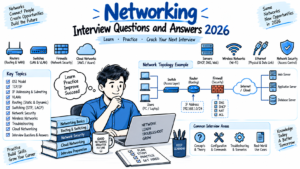
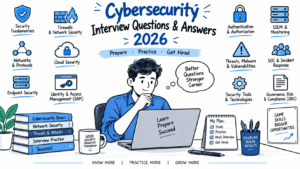
TechNaga is an educational technology website focused on practical cybersecurity, networking, cloud security, and related IT technologies. The goal of TechNaga is to make technical concepts easier to understand and more useful for students, IT professionals, and people preparing for cybersecurity and networking interviews.
The website publishes tutorials, technical explanations, interview questions, troubleshooting concepts, security fundamentals, and practical examples based on commonly used technologies and enterprise IT environments.
What TechNaga Covers
TechNaga focuses on technology topics that are useful for learning, interview preparation, and understanding how security and networking technologies work in real environments.
Cybersecurity
Security fundamentals, threats, security controls, vulnerability management, incident response, SOC concepts, and practical security scenarios.
Network Security
Firewalls, network segmentation, VPNs, IPsec, IDS and IPS, network protocols, secure network architecture, and troubleshooting concepts.
Zscaler & Zero Trust
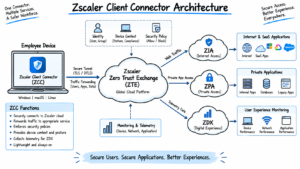
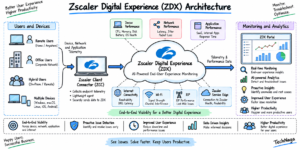
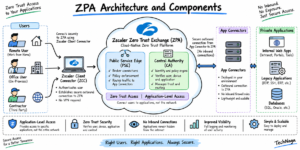
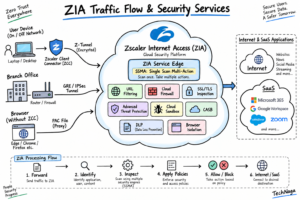
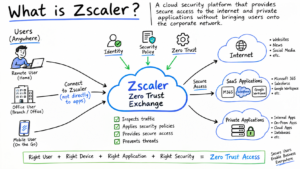
ZIA, ZPA, ZDX, Zscaler Client Connector, security policies, traffic forwarding, application access, and Zero Trust concepts.
Cloud Security
Cloud security fundamentals, identity and access controls, security architecture, common risks, and practical cloud security concepts.
Endpoint Security
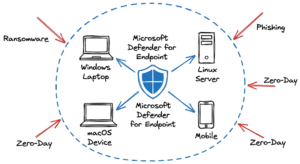
Endpoint protection, EDR, XDR, MDR, device security, endpoint threats, and security monitoring concepts.
IT & Networking Fundamentals
Networking basics, TCP/IP, OSI model, network devices, protocols, DNS, HTTP, VPNs, and other foundational concepts.
Our Approach to Technical Content
TechNaga aims to explain technical topics in a clear and practical way. Articles are structured to help readers understand both the basic concept and how the technology is used in an IT environment.
Depending on the topic, an article may include definitions, technical explanations, step-by-step processes, examples, troubleshooting scenarios, comparisons, diagrams, and interview questions.
When discussing vendor-specific technologies, TechNaga also refers to official documentation and other relevant technical resources. Vendor documentation should be treated as the authoritative source for product features, configuration requirements, and product changes.
Technical information can change as products and security practices evolve. Readers should verify configuration details and production changes against the relevant official documentation before implementing them in a live environment.
About the Author

What You Can Find on TechNaga
- Cybersecurity tutorials and fundamentals
- Network security concepts and troubleshooting topics
- Zscaler and Zero Trust learning resources
- Cybersecurity interview questions and answers
- Firewall and network security guides
- Endpoint and cloud security concepts
- Security operations and incident response topics
- Practical examples for understanding enterprise security technologies
Selected Technical Guides
The following articles provide examples of the technical content available on TechNaga.
Content Independence and Disclosure
TechNaga is an independent educational website. Articles may discuss products, vendors, technologies, or services from other organizations for educational and technical reference purposes.
Mentioning a product or company on TechNaga does not mean that TechNaga represents, endorses, or is officially affiliated with that organization unless explicitly stated.
Readers should refer to the official documentation of the relevant vendor or service provider for current product specifications, licensing information, configuration requirements, and support procedures.
Contact TechNaga
If you have a question about an article, notice an error, want to suggest a technical topic, or need to contact TechNaga, please use the contact page.
Important Information
TechNaga provides educational information and should not be treated as a substitute for official vendor documentation, professional security consulting, or organization-specific security procedures.
Security recommendations and technical configurations should be evaluated according to your organization’s environment, policies, compliance requirements, and risk profile.
Last updated: September 2026