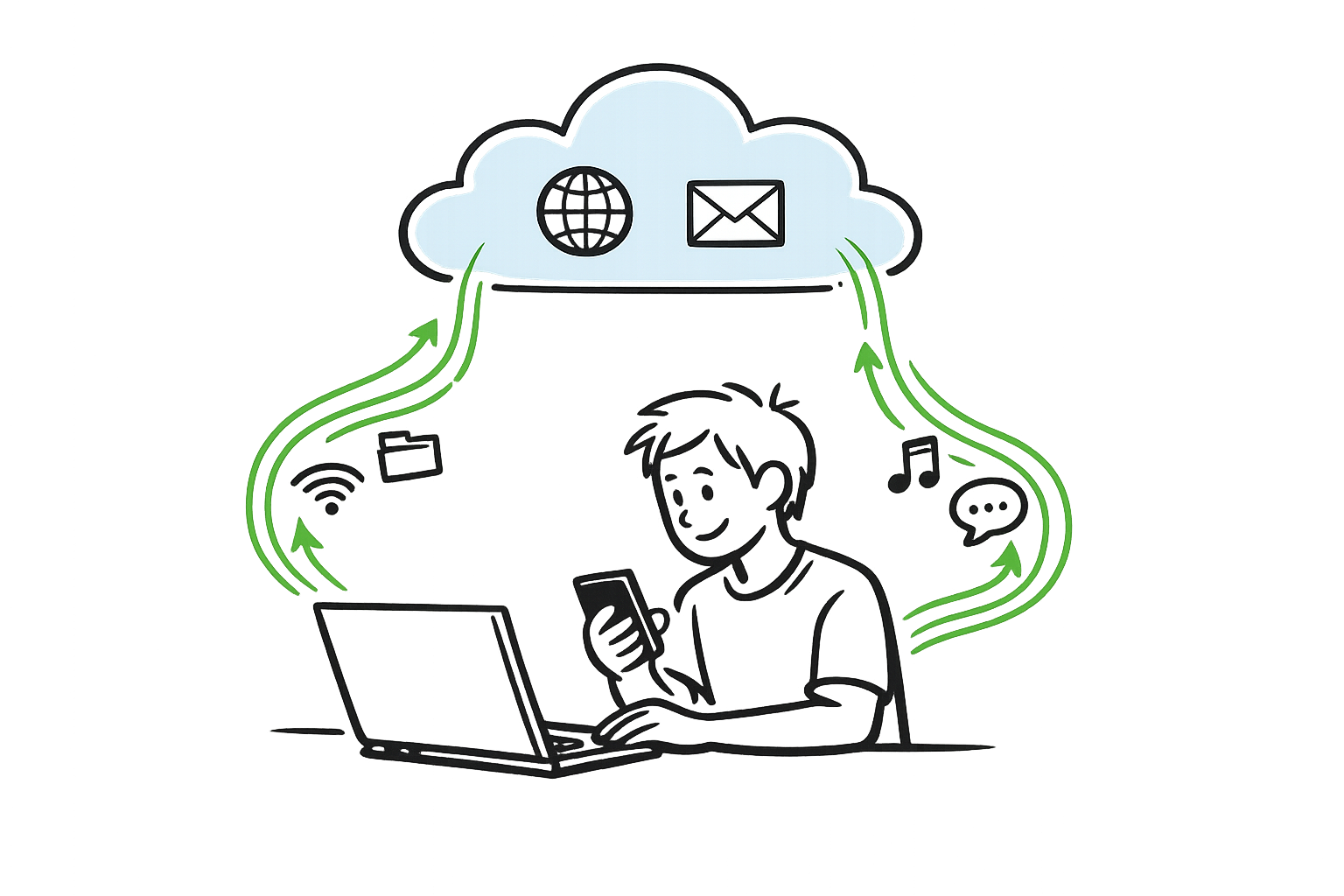
The internet has become an essential part of everyday life. We use it to shop online, pay bills, communicate with family and friends, work remotely, learn new skills, and store important personal information. Almost every daily activity now involves a connected device or an online service.
While this digital convenience has made life easier and more efficient, it has also introduced new security risks. Cybercriminals constantly look for ways to steal sensitive information, disrupt services, and exploit vulnerabilities in computers, mobile devices, and networks.
This is where cybersecurity plays a critical role. It helps protect individuals, businesses, and governments from cyber threats by securing systems, data, and online activities. Whether you are browsing the web, using online banking, or running a business, understanding cybersecurity is essential for staying safe in today’s digital world.
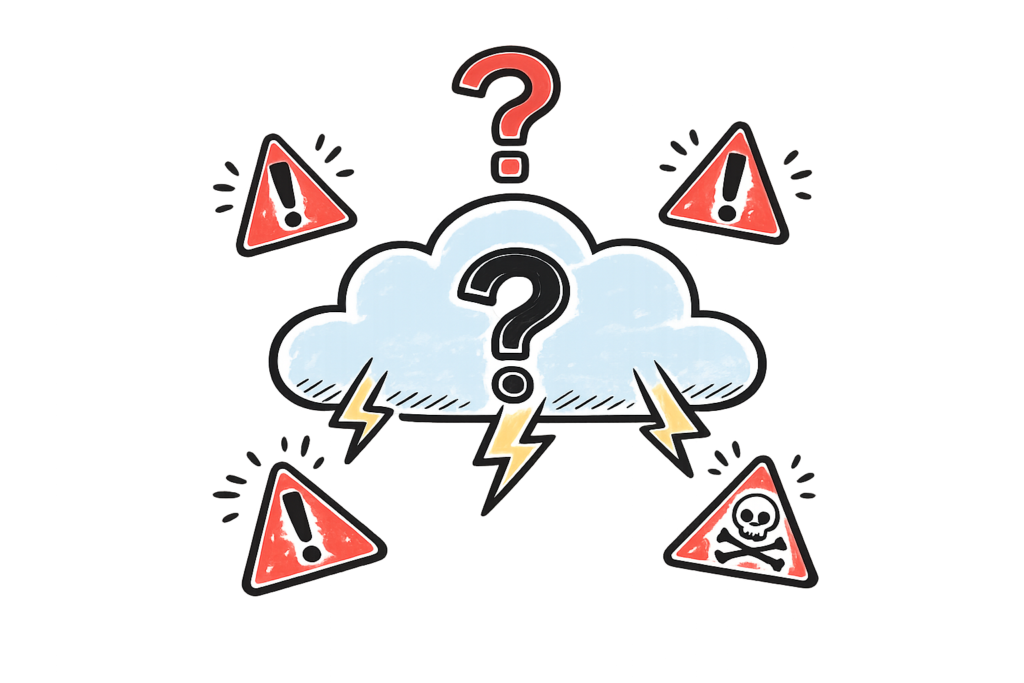
Cybersecurity is the practice of protecting computers, mobile devices, servers, networks, applications, and digital data from unauthorized access, cyberattacks, and other online threats. Its primary goal is to keep information secure, maintain system availability, and prevent sensitive data from being stolen, altered, or destroyed.
Cybersecurity combines technologies, security processes, and best practices to defend against threats such as malware, phishing, ransomware, and data breaches. It helps individuals protect their personal information while enabling businesses and organizations to safeguard customer data, financial systems, and critical infrastructure.
In today’s connected world, cybersecurity is no longer limited to large organizations. Anyone who uses the internet, whether for online banking, shopping, social media, or remote work, benefits from understanding and following basic cybersecurity practices.
The Digital World and Its Dangers
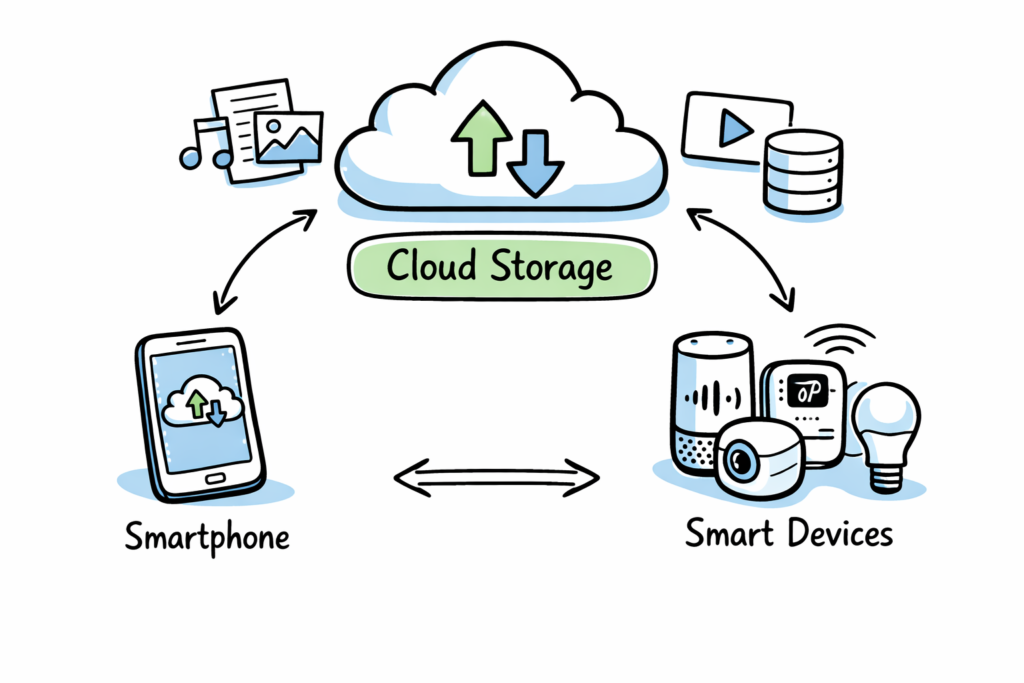
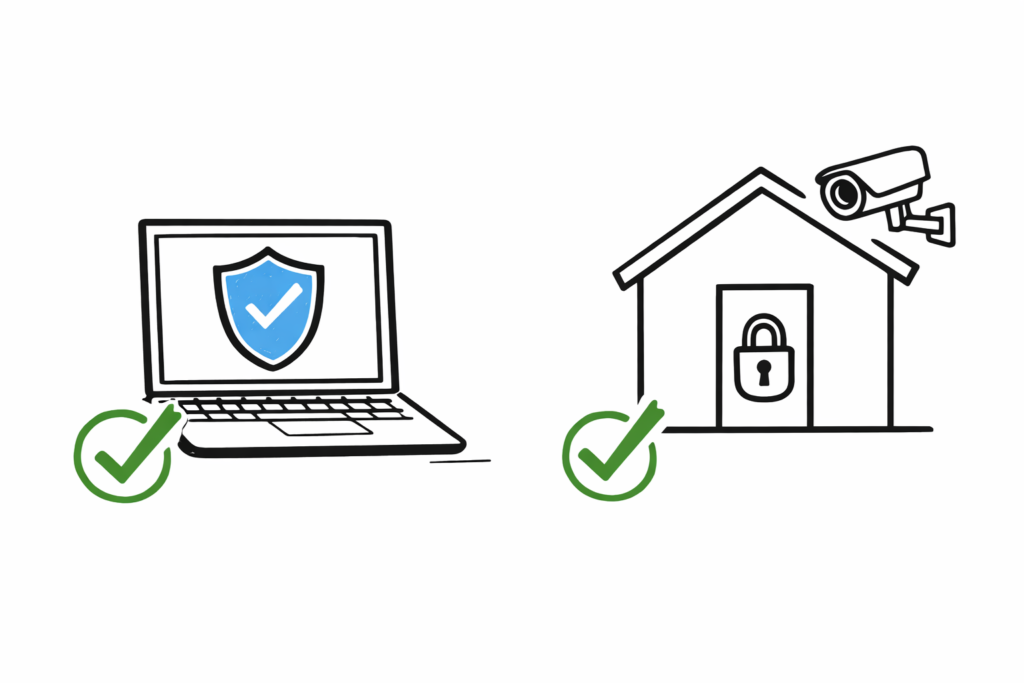
Technology has advanced rapidly over the past decade, transforming the way we work, communicate, shop, and manage our daily lives. Cloud computing, smartphones, smart home devices, online banking, and digital payment platforms have made everyday tasks faster and more convenient. However, this increased reliance on digital technology has also expanded the opportunities for cybercriminals.
Today, cyberattacks are no longer limited to large enterprises or government organizations. Small businesses, educational institutions, healthcare providers, and individual users are all common targets. Cybercriminals often exploit weak passwords, outdated software, phishing emails, and other security vulnerabilities to gain unauthorized access to sensitive information.
As our digital footprint continues to grow, practicing good cybersecurity is essential. Simple measures such as using strong passwords, enabling multi-factor authentication, keeping software up to date, and recognizing online scams can significantly reduce the risk of becoming a victim of a cyberattack.
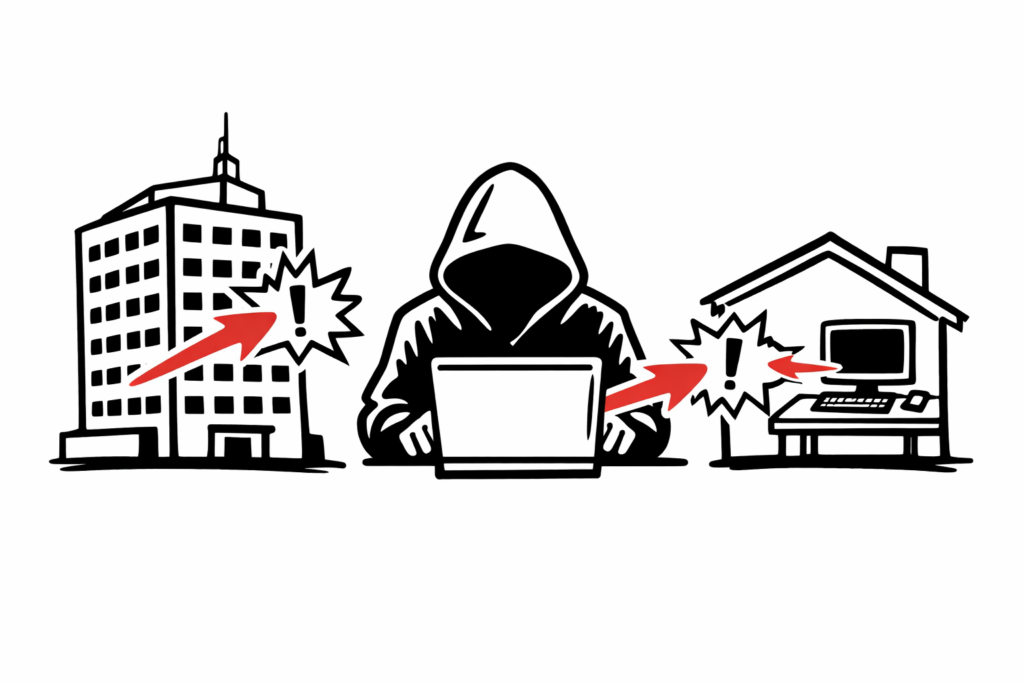
Cybercrime continues to grow each year, with attacks becoming more frequent, sophisticated, and costly. Common threats include ransomware, phishing, data breaches, identity theft, financial fraud, and malware attacks. Cybercriminals target businesses of all sizes as well as individual users to steal sensitive information, disrupt operations, or demand ransom payments.
Organizations around the world lose billions of dollars annually due to cyber incidents. In many cases, successful attacks result from common security weaknesses such as weak passwords, outdated software, unpatched vulnerabilities, or human error. These risks highlight why implementing strong cybersecurity practices and promoting security awareness are essential for protecting both personal and business data.
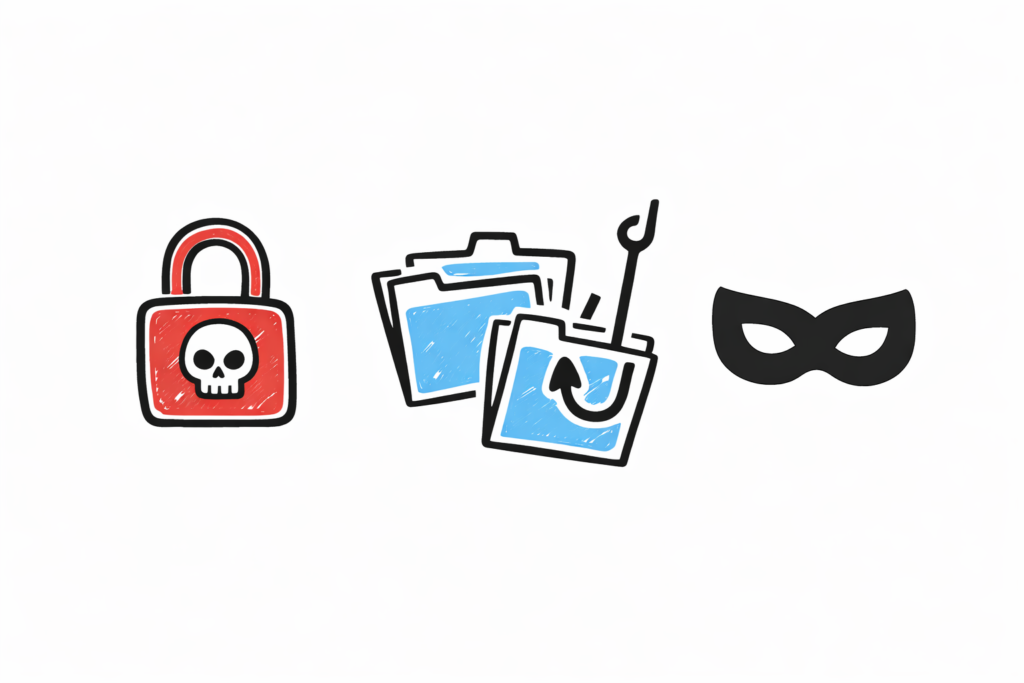
The impact of a cyberattack goes far beyond financial loss. Stolen personal information, compromised accounts, and leaked confidential data can lead to identity theft, privacy violations, and long-term damage to an individual’s or organization’s reputation. Recovering from these incidents often requires significant time, effort, and financial resources.
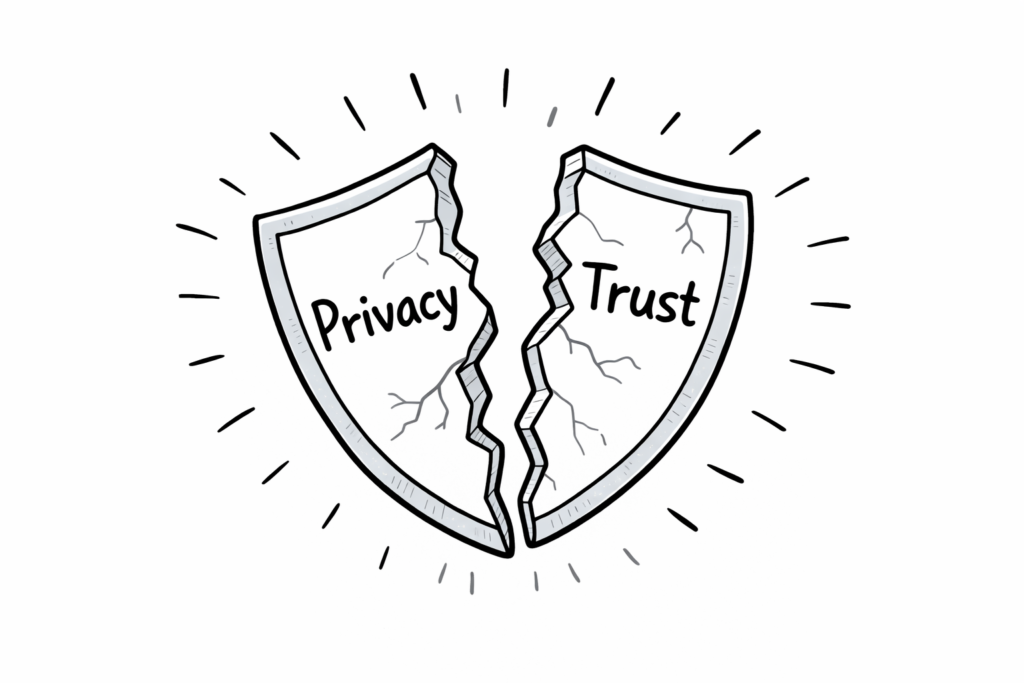
Cybersecurity is ultimately about maintaining trust in the digital world. Whether you are using online banking, shopping online, storing files in the cloud, or communicating through social media, you expect your information to remain private and secure. Strong cybersecurity measures help make that possible by protecting your data and giving you confidence when using digital services.
Why Cybersecurity Matters for Everyone
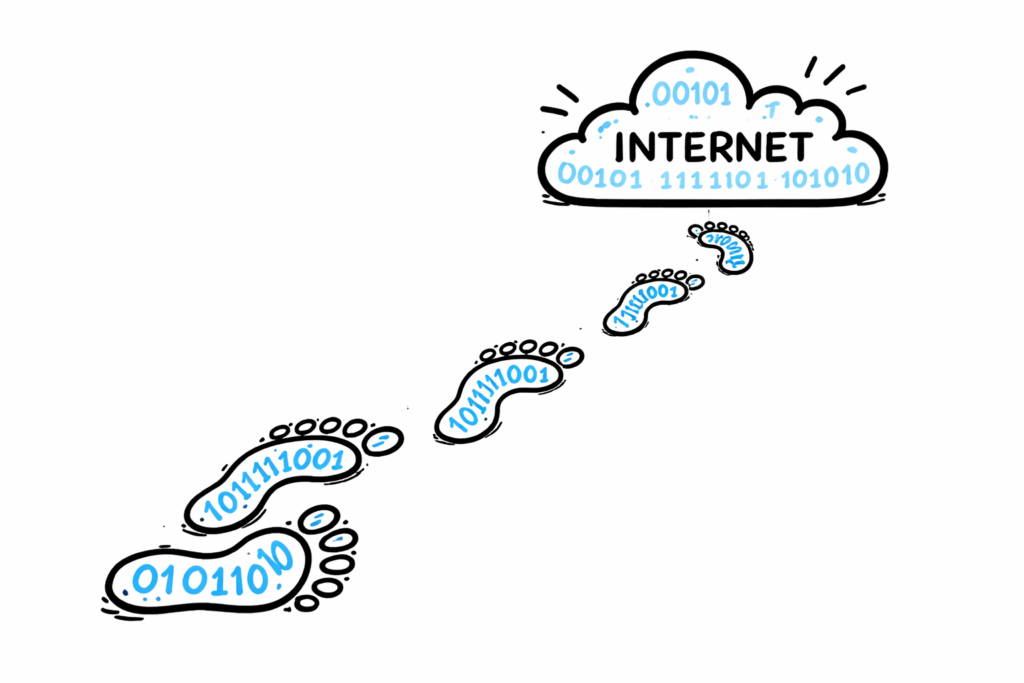
Many people believe cybersecurity is only a concern for large organizations or IT professionals. In reality, anyone who uses the internet can become a target of cybercrime. Every online activity, from checking email and shopping online to using social media and online banking, creates a digital footprint that cybercriminals may attempt to exploit.
Attackers use various techniques to steal sensitive information, including phishing emails, fake websites, malicious downloads, and password attacks. If successful, they can gain access to personal accounts, financial information, or confidential data. Even a single click on a fraudulent link or the use of a weak password can lead to serious security consequences.
Understanding the basics of cybersecurity helps you recognize these threats and take simple preventive measures. By following good security practices, you can reduce the risk of cyberattacks and protect your personal information, devices, and online accounts.
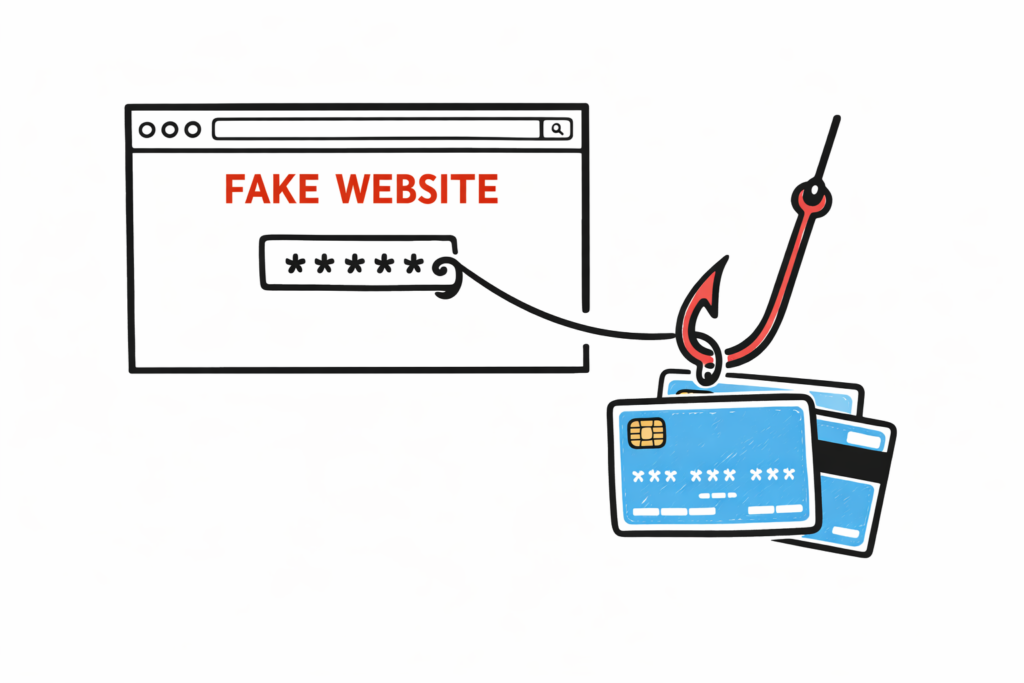
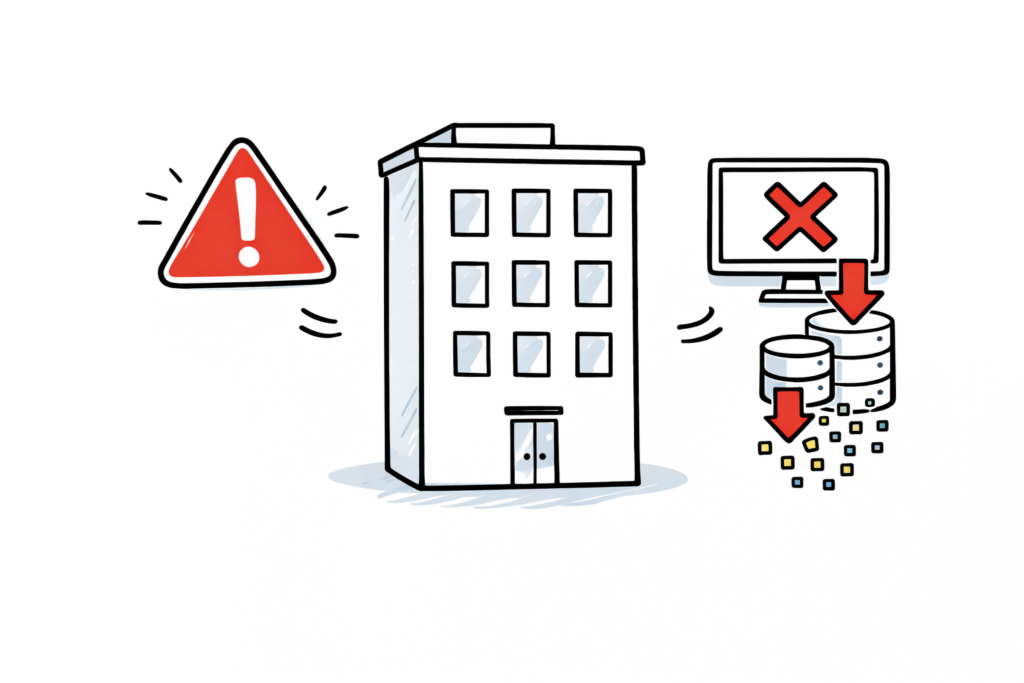
For businesses, a single cyberattack can have serious consequences. It can interrupt daily operations, expose sensitive customer information, disrupt critical services, and result in significant financial losses. In addition to the immediate impact, organizations may face legal penalties, regulatory compliance issues, and costly recovery efforts.
The damage often extends beyond financial loss. A data breach can weaken customer trust, harm a company’s reputation, and affect long-term business growth. In many cases, cyber incidents occur because of simple mistakes such as weak passwords, unpatched software, phishing attacks, or inadequate employee security awareness. Investing in strong cybersecurity measures helps organizations reduce these risks and maintain the trust of their customers.
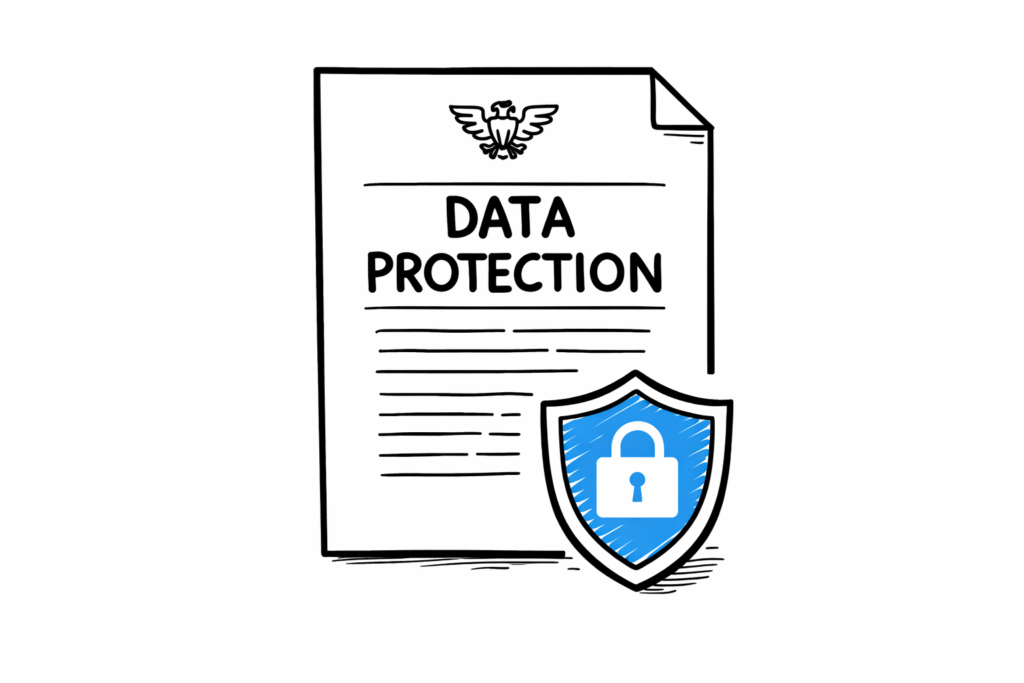
Governments around the world have introduced stricter data protection and privacy regulations to safeguard personal information and hold organizations accountable for protecting user data. Businesses are expected to implement appropriate security measures, respond to data breaches, and handle personal information responsibly.
For example, India’s Digital Personal Data Protection Act (DPDPA) establishes requirements for organizations that collect and process personal data. Similar regulations, such as the General Data Protection Regulation (GDPR) in the European Union and the California Consumer Privacy Act (CCPA) in the United States, emphasize the importance of strong cybersecurity practices and responsible data management. Organizations that fail to comply with applicable regulations may face financial penalties, legal consequences, and reputational damage.
Cybersecurity is no longer optional. As technology becomes more integrated into our daily lives, protecting personal information, devices, and online accounts has become a shared responsibility for individuals, businesses, and governments alike. Every online activity, from sending emails and shopping online to managing business operations, relies on secure digital systems.
By understanding cybersecurity risks and following basic security best practices, you can reduce the likelihood of cyberattacks and use the internet with greater confidence. Whether you are an individual, a student, a business owner, or an IT professional, cybersecurity is essential for protecting your digital identity, maintaining privacy, and building trust in today’s connected world.
The Human Factor in Cybersecurity
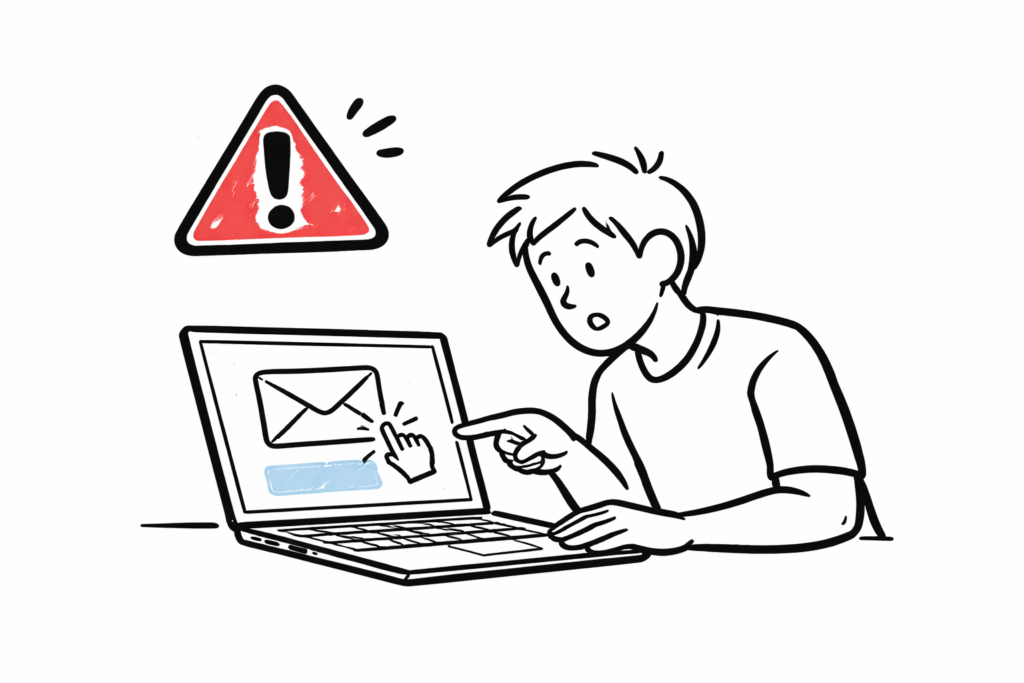
Many successful cyberattacks are caused by human error rather than sophisticated technical exploits. Cybercriminals often take advantage of common mistakes such as clicking phishing links, downloading malicious attachments, using weak or reused passwords, or failing to install important security updates. Even a small oversight can give attackers access to personal accounts, business systems, or sensitive data.
Security awareness is one of the most effective ways to reduce cyber risks. Learning how to recognize phishing emails, create strong and unique passwords, enable multi-factor authentication, and keep software up to date can prevent many common cyber threats. When combined with good cybersecurity practices and modern security tools, informed users become the first line of defense against cyberattacks.
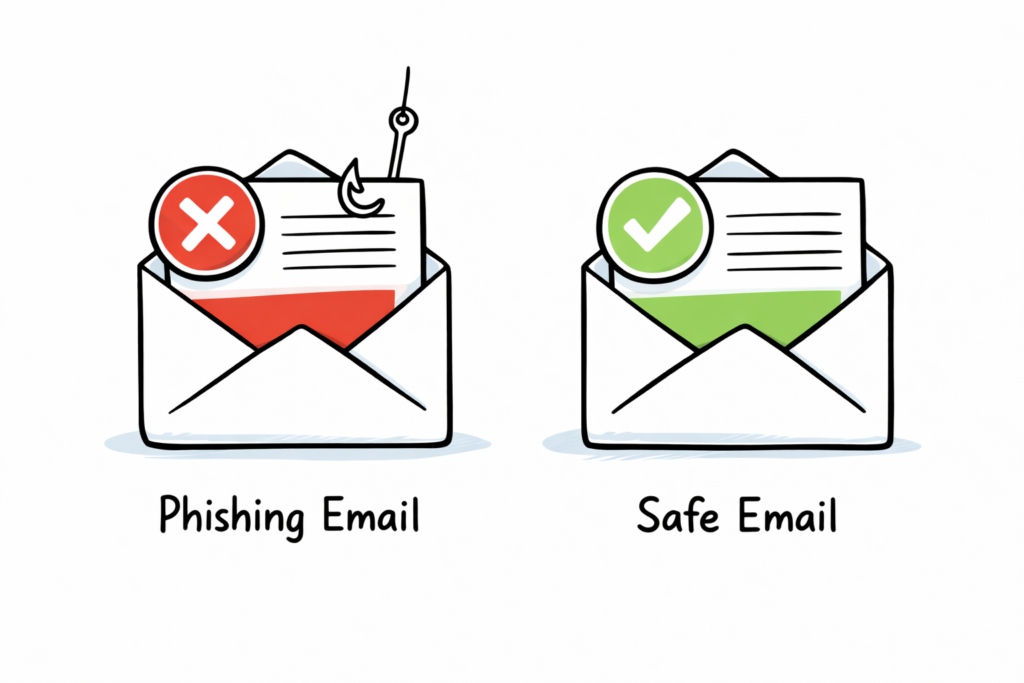
Cybersecurity is more than just antivirus software, firewalls, or other security technologies. It also depends on developing safe online habits, staying alert to potential threats, and making informed decisions while using digital services. Even the most advanced security tools cannot fully protect users if basic cybersecurity practices are ignored.
Simple actions such as verifying links before clicking, avoiding suspicious downloads, using strong passwords, enabling multi-factor authentication, and regularly updating devices can significantly improve your overall security. Building these habits helps protect your personal information, online accounts, and digital assets in both your personal and professional life.
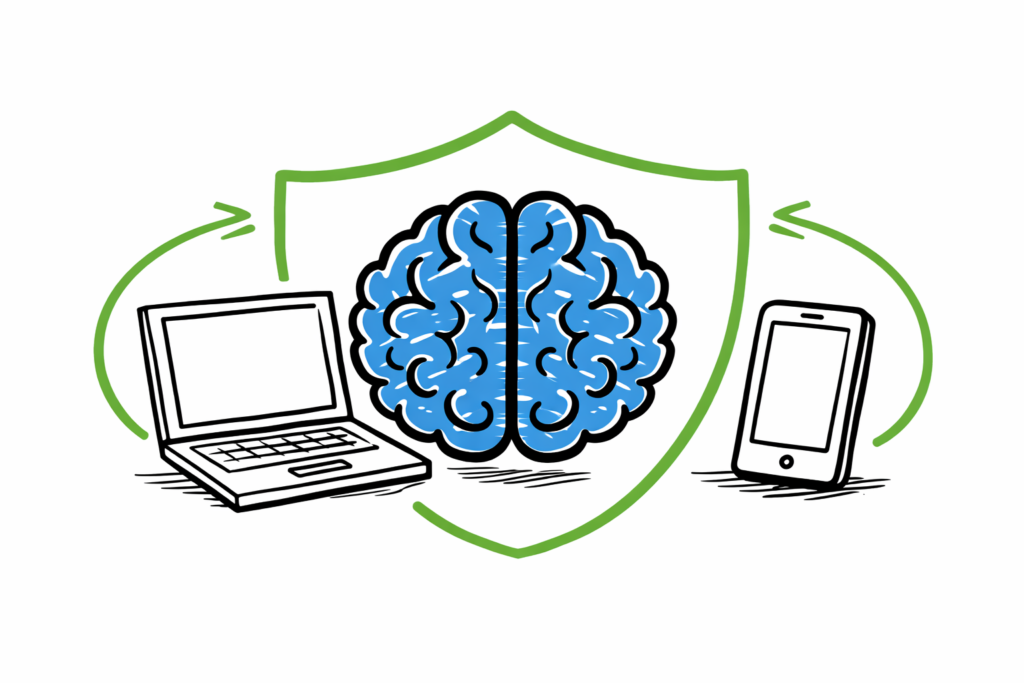
Cybersecurity is a shared responsibility that affects everyone who uses the internet. Whether you are a student, professional, business owner, or casual internet user, adopting good cybersecurity practices can significantly reduce the risk of cyber threats. Small actions, such as staying informed, thinking before clicking, and following basic security best practices, can make a meaningful difference.
As cyber threats continue to evolve, developing strong cybersecurity awareness is one of the most valuable skills you can have. By making security a part of your daily online routine, you can protect your personal information, safeguard your digital identity, and contribute to a safer digital environment for everyone.
Main Areas of Cybersecurity
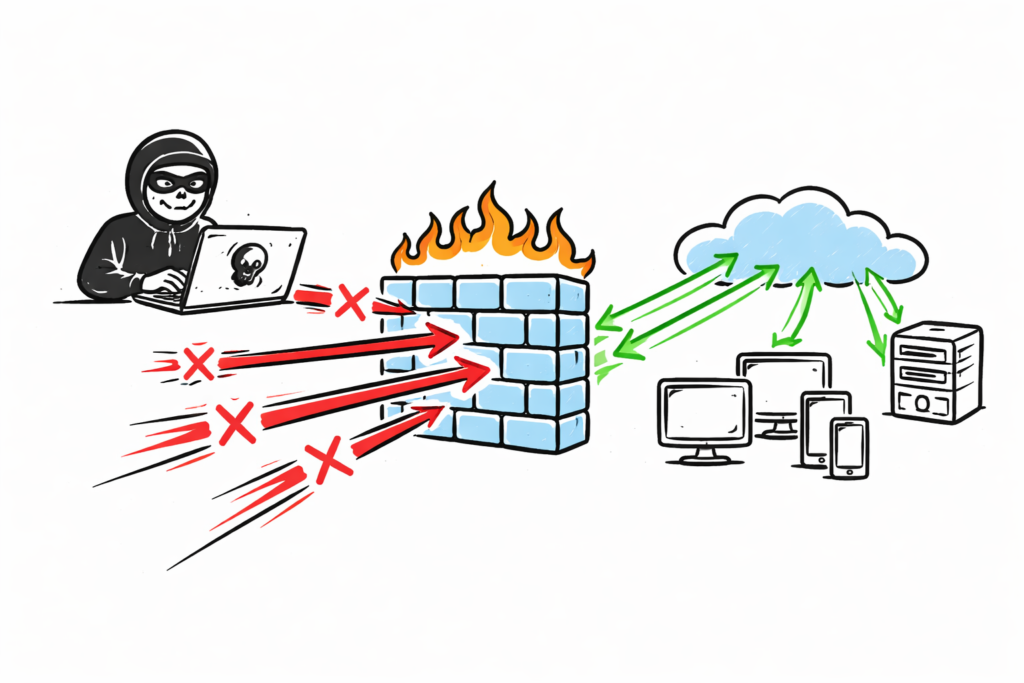
Cybersecurity consists of several specialized domains, each designed to protect different aspects of digital systems and information. Together, these domains help organizations defend against cyber threats, secure sensitive data, and maintain the confidentiality, integrity, and availability of their systems. Understanding these areas provides a strong foundation for anyone beginning their cybersecurity journey.
1. Application Security
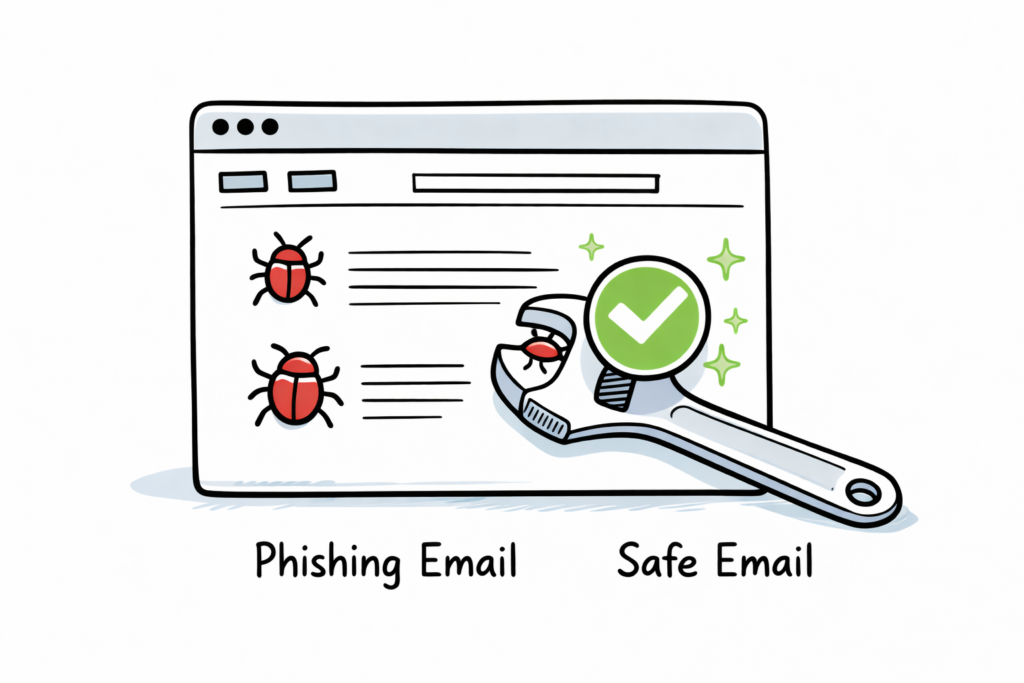
Application Security focuses on protecting software applications, websites, and APIs from cyber threats throughout their development and deployment lifecycle. The goal is to identify and fix security weaknesses before attackers can exploit them.
Developers and security teams use techniques such as secure coding practices, code reviews, vulnerability assessments, penetration testing, and regular security updates to reduce the risk of attacks. Effective application security helps prevent common threats such as SQL injection, cross-site scripting (XSS), authentication bypass, and other software vulnerabilities that could compromise sensitive data or disrupt business operations.
2. Cloud Security
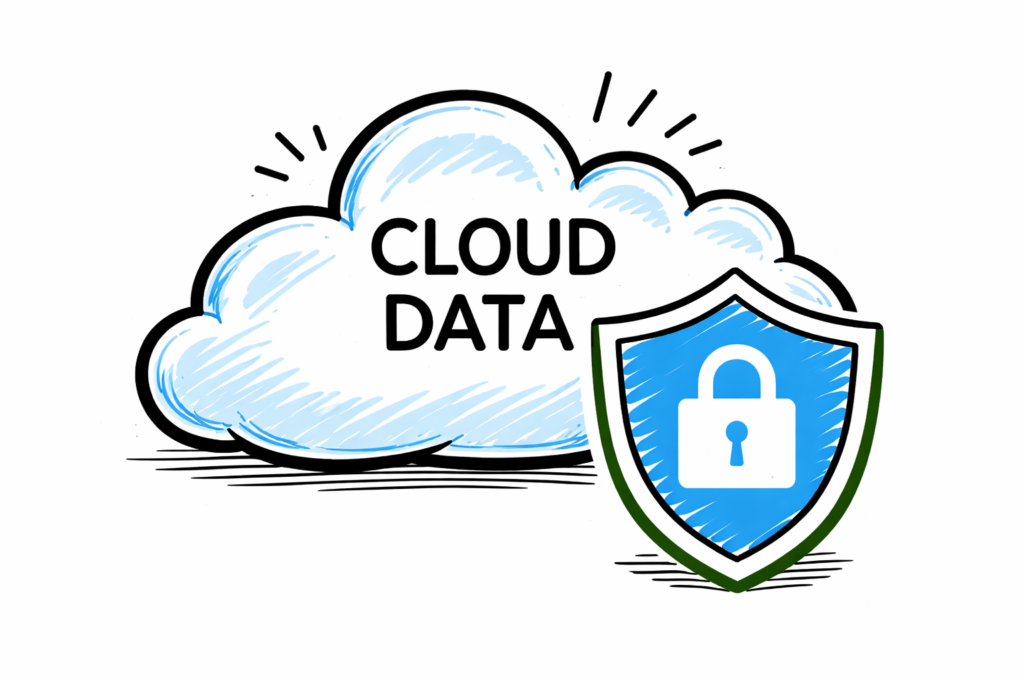
Cloud Security focuses on protecting data, applications, and workloads hosted on cloud platforms such as Amazon Web Services (AWS), Microsoft Azure, and Google Cloud. As more organizations move their infrastructure and services to the cloud, securing these environments has become a critical part of modern cybersecurity.
Cloud security includes implementing strong identity and access controls, encrypting sensitive data, continuously monitoring cloud resources, and configuring security settings correctly to prevent unauthorized access. These measures help reduce the risk of data breaches, accidental data exposure, malware infections, and cloud misconfigurations while ensuring that cloud services remain secure and available.
3. Endpoint Security
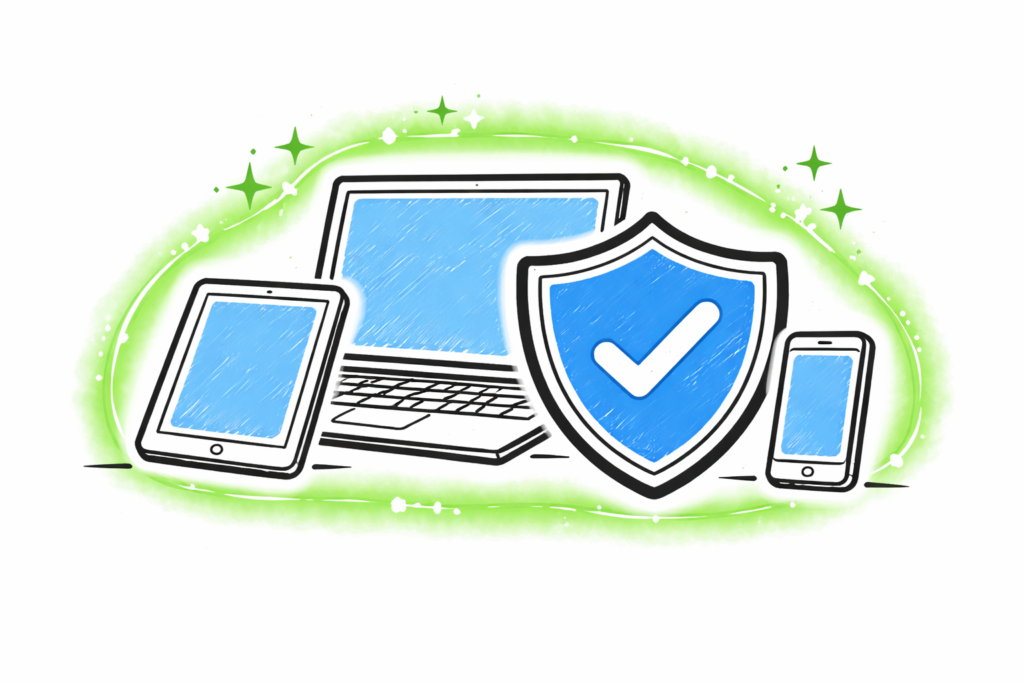
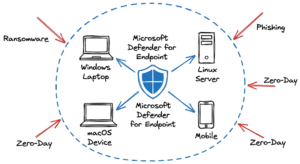
Endpoint Security focuses on protecting devices that connect to a network, including desktops, laptops, smartphones, tablets, and servers. Since these devices are common entry points for cyberattacks, securing them is essential for preventing unauthorized access and protecting sensitive data.
Organizations use endpoint security solutions such as antivirus software, endpoint detection and response (EDR), device encryption, firewalls, and regular security updates to defend against malware, ransomware, spyware, and other cyber threats. Keeping operating systems and applications up to date, combined with continuous monitoring, helps reduce security vulnerabilities and strengthens the overall security of an organization’s network.
4. Identity and Access Management (IAM)
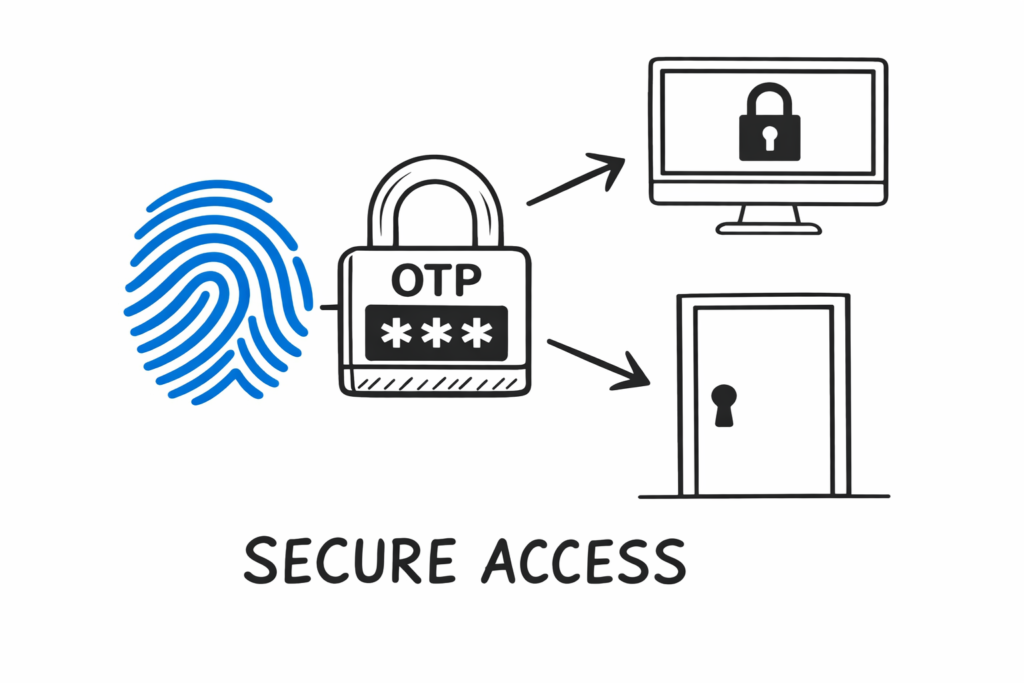
Identity and Access Management (IAM) ensures that only authorized users can access specific systems, applications, and data. It helps organizations verify user identities and control what each user is permitted to view, modify, or manage based on their role and responsibilities.
IAM uses security mechanisms such as strong passwords, multi-factor authentication (MFA), biometric authentication, single sign-on (SSO), and role-based access control (RBAC) to prevent unauthorized access. By enforcing the principle of least privilege, IAM reduces the risk of account compromise, insider threats, and unauthorized data exposure while improving overall security across an organization’s digital environment.
5. Incident Response and Digital Forensics
Incident Response and Digital Forensics focus on detecting, containing, investigating, and recovering from cybersecurity incidents. When a cyberattack occurs, security teams work quickly to minimize its impact, restore affected systems, and prevent the threat from spreading across the organization.
During the investigation, digital forensics specialists collect and analyze evidence such as system logs, network traffic, files, and user activity to determine how the attack occurred, identify the affected systems, and understand the attacker’s methods. The findings help organizations strengthen their security controls, improve incident response procedures, and reduce the risk of similar attacks in the future.
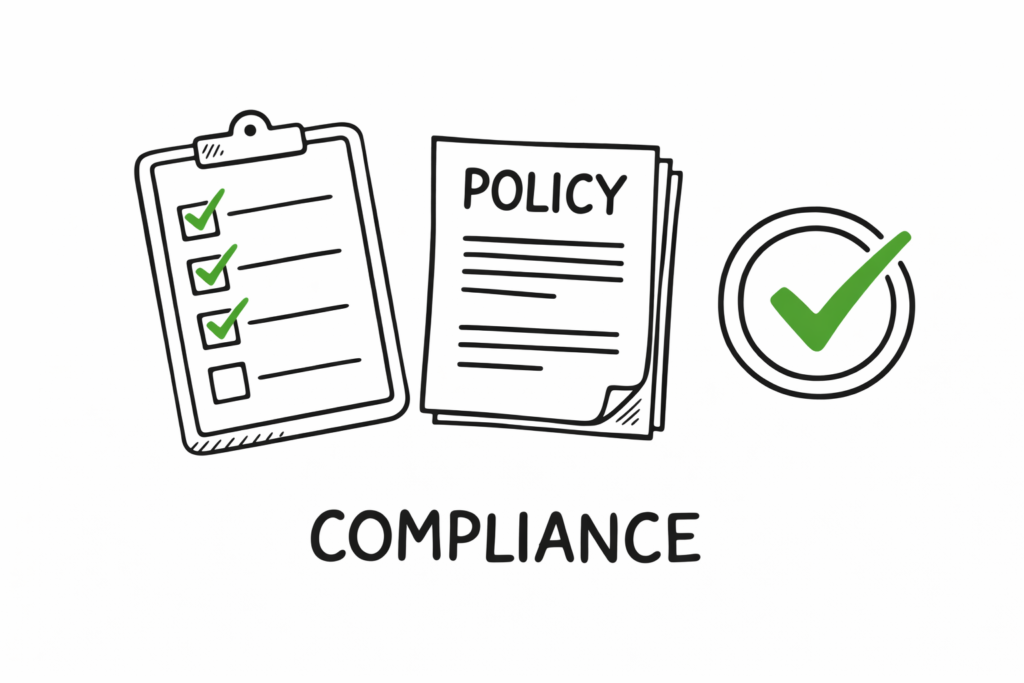
6. Governance, Risk, and Compliance (GRC)
Governance, Risk, and Compliance (GRC) is a cybersecurity discipline that helps organizations establish security policies, manage cyber risks, and comply with legal, regulatory, and industry requirements. It provides a structured approach to protecting information assets while supporting business objectives and maintaining customer trust.
GRC involves developing security policies and procedures, performing risk assessments, implementing security controls, conducting compliance audits, and ensuring adherence to recognized standards and regulations such as ISO/IEC 27001, the NIST Cybersecurity Framework, GDPR, and other applicable industry requirements. An effective GRC program enables organizations to identify and mitigate security risks, demonstrate compliance, and strengthen their overall cybersecurity posture.
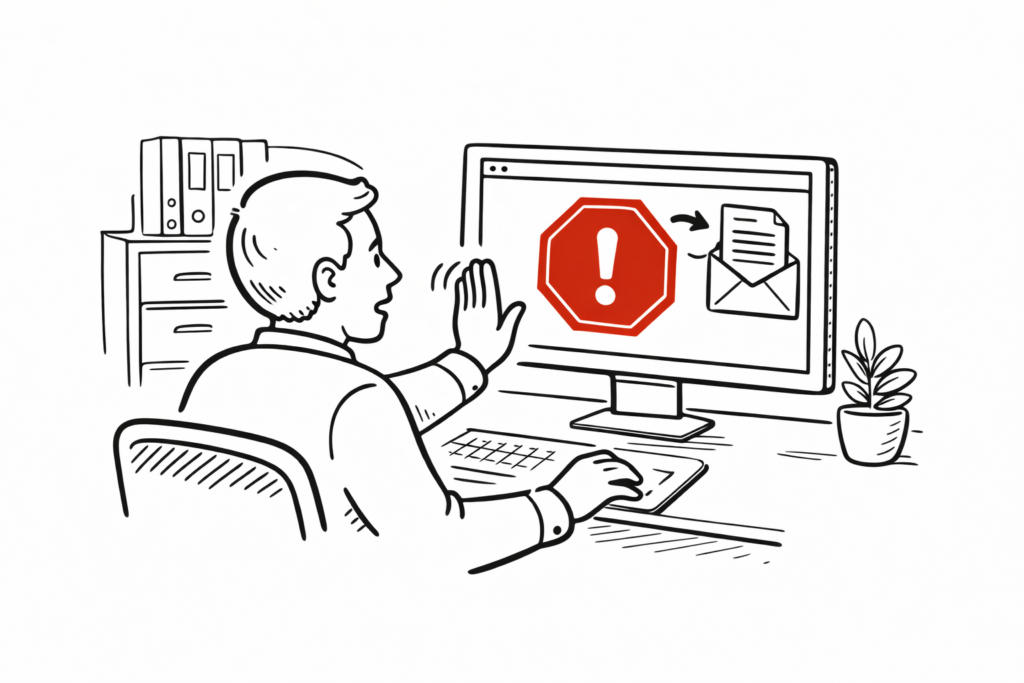
7. Operational Security (OPSEC)
Operational Security (OPSEC) is the process of identifying and protecting sensitive information that could be exploited by attackers. It focuses on how organizations handle data, manage business operations, and implement security procedures to minimize the risk of information exposure.
OPSEC includes classifying sensitive information, controlling data access, securing communication channels, monitoring user activities, and establishing policies for the safe handling of confidential data. It also emphasizes employee awareness and adherence to security procedures, helping organizations reduce the risk of accidental data leaks, insider threats, and unauthorized disclosure of critical business information.
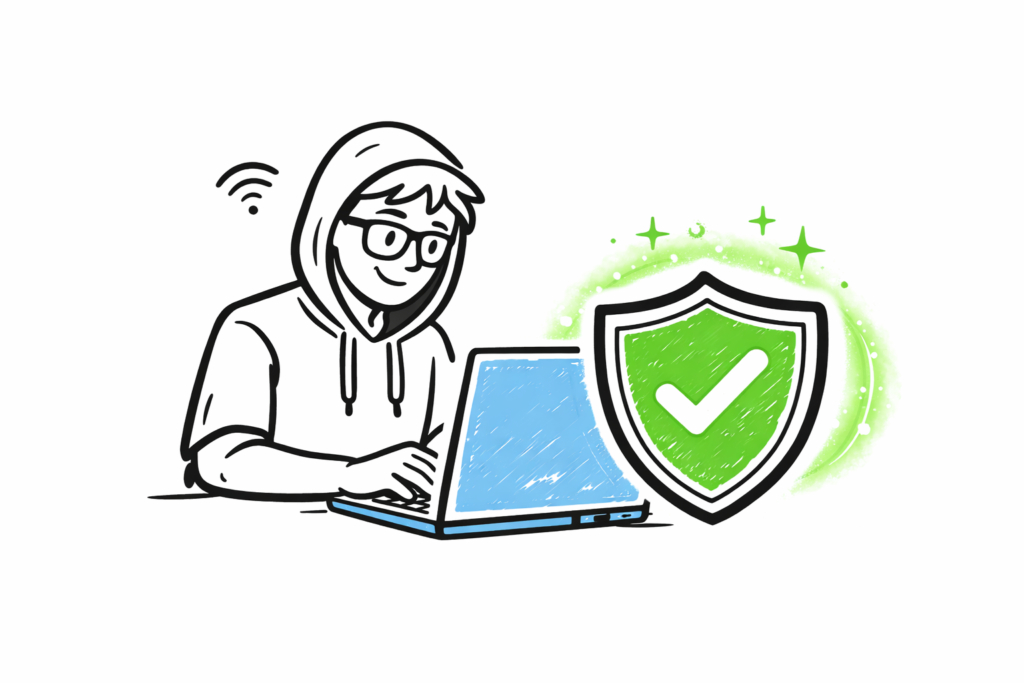
8. Ethical Hacking and Penetration Testing
Ethical Hacking and Penetration Testing involve identifying and evaluating security vulnerabilities before cybercriminals can exploit them. Unlike malicious hackers, ethical hackers are authorized to assess an organization’s systems, networks, and applications to uncover security weaknesses and recommend effective remediation measures.
Penetration testers simulate real-world cyberattacks using approved methods to determine how well an organization’s security controls can withstand potential threats. Their findings help organizations fix vulnerabilities, strengthen security defenses, meet compliance requirements, and reduce the risk of data breaches and other cyber incidents.
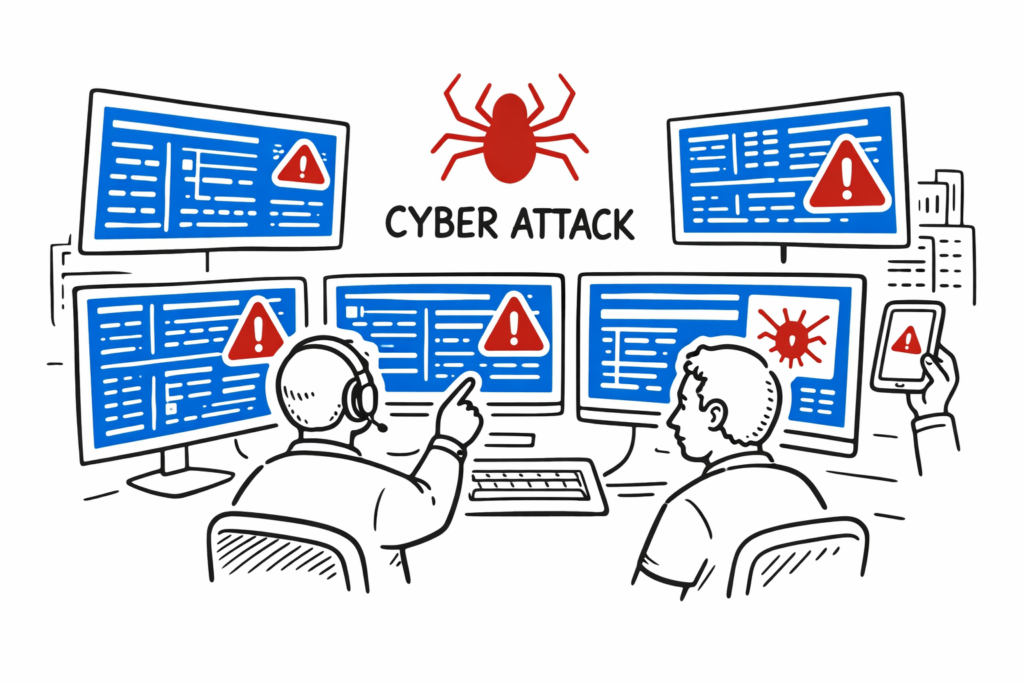
9. Security Operations Center (SOC)
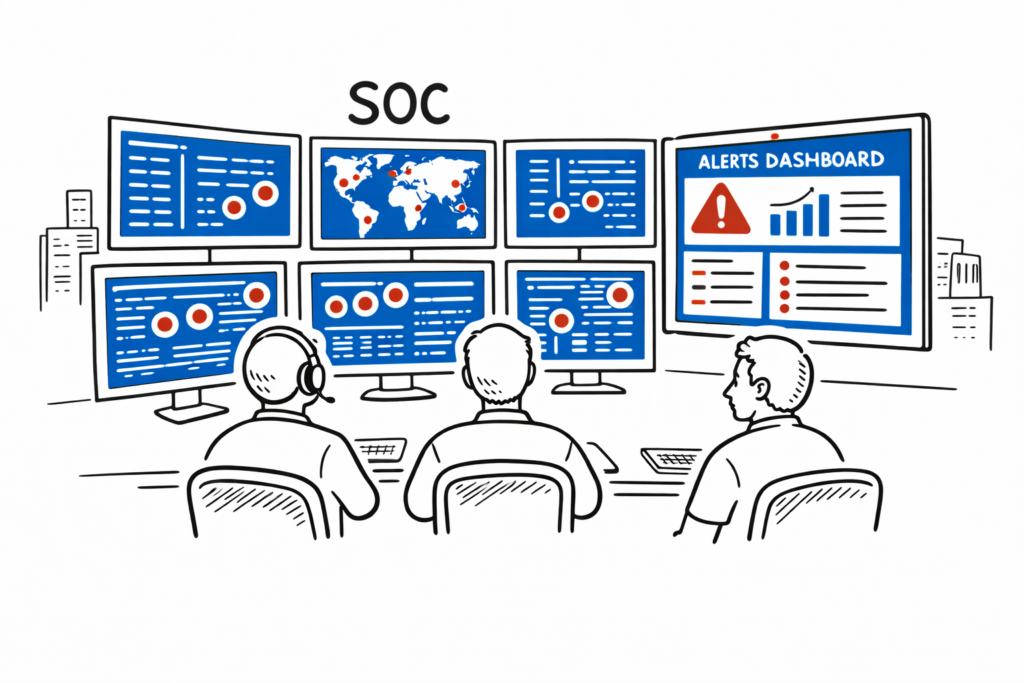
A Security Operations Center (SOC) is a centralized team responsible for continuously monitoring, detecting, investigating, and responding to cybersecurity threats. SOC analysts use advanced security tools to identify suspicious activities, analyze security alerts, and take immediate action to minimize the impact of potential cyberattacks.
A modern SOC relies on technologies such as Security Information and Event Management (SIEM), Endpoint Detection and Response (EDR), threat intelligence, and security automation to monitor networks, endpoints, and cloud environments around the clock. By detecting threats early and responding quickly, SOC teams help organizations reduce security risks, improve incident response, and maintain the confidentiality, integrity, and availability of critical systems and data.
Cybersecurity as a Career
Cybersecurity is one of the fastest-growing and most in-demand career fields in the world. As cyber threats continue to evolve, organizations across industries, including healthcare, banking, education, government, manufacturing, and technology, need skilled cybersecurity professionals to protect their systems, networks, and sensitive data.
You do not need to be an expert programmer to begin a career in cybersecurity. A strong understanding of networking, operating systems, cybersecurity fundamentals, and problem-solving skills is often enough to get started. With continuous learning, hands-on practice, and industry certifications, beginners can build successful careers in this field.
Cybersecurity offers a wide range of career paths to match different interests and skill sets. Some professionals focus on defending organizations by monitoring security events and responding to incidents, while others specialize in penetration testing, cloud security, digital forensics, governance, risk and compliance (GRC), security engineering, or threat intelligence. This variety allows professionals to choose a specialization that aligns with their career goals while contributing to a safer digital world.
Popular Cybersecurity Job Roles
- SOC Analyst
- Security Analyst
- Security Engineer
- Network Security Engineer
- Cloud Security Engineer
- Penetration Tester (Ethical Hacker)
- Incident Response Analyst
- Digital Forensics Analyst
- Threat Intelligence Analyst
- Vulnerability Management Analyst
- GRC Analyst
- Identity and Access Management (IAM) Engineer
- Security Consultant
- Security Architect
- Chief Information Security Officer (CISO)
Whether you are a student, recent graduate, or an experienced IT professional looking to switch careers, cybersecurity provides excellent opportunities for continuous learning, career growth, competitive salaries, and long-term job stability.
Professional certifications can strengthen your cybersecurity knowledge, validate your technical skills, and improve your career prospects. Popular certifications such as CompTIA Security+, Certified Ethical Hacker (CEH), Certified Information Systems Security Professional (CISSP), CompTIA CySA+, and Google Cybersecurity Professional Certificate are widely recognized by employers and can help you stand out in a competitive job market. However, combining certifications with hands-on experience, practical labs, and continuous learning provides the strongest foundation for career success.
The demand for cybersecurity professionals continues to grow as organizations adopt cloud computing, artificial intelligence, remote work, and other digital technologies. Businesses across the world are investing more in cybersecurity to defend against evolving cyber threats and meet regulatory requirements. For individuals who enjoy problem-solving, continuous learning, and technology, cybersecurity offers excellent long-term career opportunities, competitive salaries, and the chance to make a meaningful impact by protecting people, organizations, and critical infrastructure.

Frequently Asked Questions (FAQs)
1. What is cybersecurity in simple words?
Cybersecurity is the practice of protecting computers, networks, applications, and data from cyber threats such as hackers, malware, phishing attacks, and unauthorized access.
2. Why is cybersecurity important?
Cybersecurity helps protect personal information, financial data, business operations, and digital systems from cyberattacks, data breaches, and identity theft.
3. What are the main types of cybersecurity?
The major types include Network Security, Application Security, Cloud Security, Endpoint Security, Identity and Access Management (IAM), Data Security, Operational Security (OPSEC), Incident Response, Governance, Risk and Compliance (GRC), Ethical Hacking, and Security Operations Center (SOC).
4. What are the most common cyber threats?
Common cyber threats include malware, ransomware, phishing, social engineering, password attacks, denial-of-service (DoS) attacks, insider threats, and data breaches.
5. What is the difference between cybersecurity and information security?
Cybersecurity focuses on protecting digital systems and networks from cyber threats, while information security protects all forms of information, whether digital or physical.
6. Who needs cybersecurity?
Everyone who uses the internet, including individuals, students, businesses, government organizations, and educational institutions, needs cybersecurity.
7. What skills are required for cybersecurity?
Important skills include networking fundamentals, operating systems, cloud computing, security principles, scripting, threat analysis, problem-solving, and communication.
8. What are the benefits of cybersecurity?
Cybersecurity helps protect sensitive data, prevents financial losses, improves customer trust, supports regulatory compliance, and ensures business continuity.
9. How can beginners start learning cybersecurity?
Beginners should first learn networking, operating systems, basic security concepts, common cyber threats, and hands-on security tools through practical labs and online learning.
10. Is cybersecurity a good career?
Yes. Cybersecurity is one of the fastest-growing technology fields, offering diverse career paths such as SOC Analyst, Security Engineer, Penetration Tester, Cloud Security Engineer, Incident Responder, Security Consultant, and GRC Analyst.
11. What is a cyberattack?
A cyberattack is an attempt by attackers to gain unauthorized access to systems, steal data, disrupt services, or damage digital infrastructure.
12. How can I protect myself from cyber threats?
Use strong and unique passwords, enable multi-factor authentication, keep software updated, avoid suspicious links, and regularly back up important data.
13. What is multi-factor authentication (MFA)?
Multi-factor authentication adds an extra layer of security by requiring two or more verification methods before granting access to an account.
14. What is ransomware?
Ransomware is malicious software that encrypts files or systems and demands payment in exchange for restoring access.
15. What is phishing?
Phishing is a cyberattack in which attackers use fraudulent emails, messages, or websites to trick users into revealing sensitive information such as passwords or credit card details.
Cybersecurity Interview Questions for Beginners
Basic Questions
- What is cybersecurity?
- Why is cybersecurity important?
- What are the objectives of cybersecurity?
- What is the CIA Triad?
- What is the difference between cybersecurity and information security?
- What are the common types of cyber threats?
- What is malware?
- What is ransomware?
- What is phishing?
- What is social engineering?
Networking and Security
- What is a firewall?
- What is a VPN?
- What is IDS?
- What is IPS?
- What is network security?
- What is endpoint security?
- What is application security?
- What is cloud security?
- What is data encryption?
- What is DNS spoofing?
Identity and Access Management
- What is authentication?
- What is authorization?
- What is Identity and Access Management (IAM)?
- What is Multi-Factor Authentication (MFA)?
- What is Single Sign-On (SSO)?
- What is Role-Based Access Control (RBAC)?
- What is the Principle of Least Privilege?
Security Operations
- What is a Security Operations Center (SOC)?
- What is SIEM?
- What is EDR?
- What is XDR?
- What is threat intelligence?
- What is incident response?
- What happens after a security incident?
- What is digital forensics?
Governance and Risk
- What is GRC?
- What is ISO/IEC 27001?
- What is a security policy?
- What is a risk assessment?
- Why is compliance important?
Practical Questions
- How would you identify a phishing email?
- What would you do if you clicked on a suspicious link?
- How do you create a strong password?
- Why should software be updated regularly?
- How would you secure your personal laptop?
- What steps would you take if your online account was compromised?
- What cybersecurity best practices do you follow every day?
- Why do organizations conduct penetration testing?
- What is the role of an ethical hacker?
- Why do you want to build a career in cybersecurity?
Final Thoughts
Cybersecurity is no longer a concern only for businesses, governments, or IT professionals. It has become an essential part of everyday life for anyone who uses a smartphone, computer, tablet, or any internet-connected device. From online banking and digital payments to social media and remote work, our daily activities rely on secure digital systems and responsible online behavior.
As cyber threats continue to evolve, understanding the basics of cybersecurity is more important than ever. By staying informed, following security best practices, and adopting safe online habits, individuals and organizations can significantly reduce the risk of cyberattacks and protect their personal information, financial data, and digital identities.
A single careless action, such as clicking a phishing link, downloading a malicious attachment, or using a weak password, can result in compromised accounts, financial loss, or the exposure of sensitive information. Staying informed, thinking before you click, and following basic cybersecurity best practices are some of the simplest and most effective ways to reduce these risks.
As technology continues to evolve, cybersecurity will remain the foundation of a secure and trusted digital world. It enables individuals, businesses, and governments to adopt new technologies with confidence while protecting privacy, critical infrastructure, and valuable information from emerging cyber threats.
Every safe decision you make online matters. Whether you create a strong password, enable multi-factor authentication, verify a suspicious email, or keep your devices updated, each action contributes to a safer digital environment. Cybersecurity is a shared responsibility, and by practicing good security habits, you help protect not only yourself but also the broader online community.
Related Articles for TechNaga
References
Microsoft Learn Security
https://learn.microsoft.com/security/
NIST Cybersecurity Framework
https://www.nist.gov/cyberframework
Cybersecurity and Infrastructure Security Agency (CISA)
https://www.cisa.gov/cybersecurity
OWASP Top 10
https://owasp.org/www-project-top-ten/
MITRE ATT&CK Framework
https://attack.mitre.org/
ISO/IEC 27001 Information Security Management
https://www.iso.org/isoiec-27001-information-security.html
Important Note: This article is based on hands-on cybersecurity experience and research from reliable sources. While every effort has been made to ensure accuracy, you should validate the information based on your specific environment and security requirements before applying it.
36 thoughts on “What Is Cybersecurity and Why It Is Important Today”